
Greetings, dog lovers! Today, we’re delving into the world of the Australian Shepherd, affectionately known as the ‘Aussie.’ Despite its name, this breed was developed in the United States and is famed for its intelligence, agility, and vibrant energy.
History and Origin of the Australian Shepherd
The Australian Shepherd, often affectionately known as the “Aussie,” presents an interesting case in the canine world due to its misleading name. Contrary to what one might expect, this breed was not developed in Australia but rather in the western United States.
Development in the United States
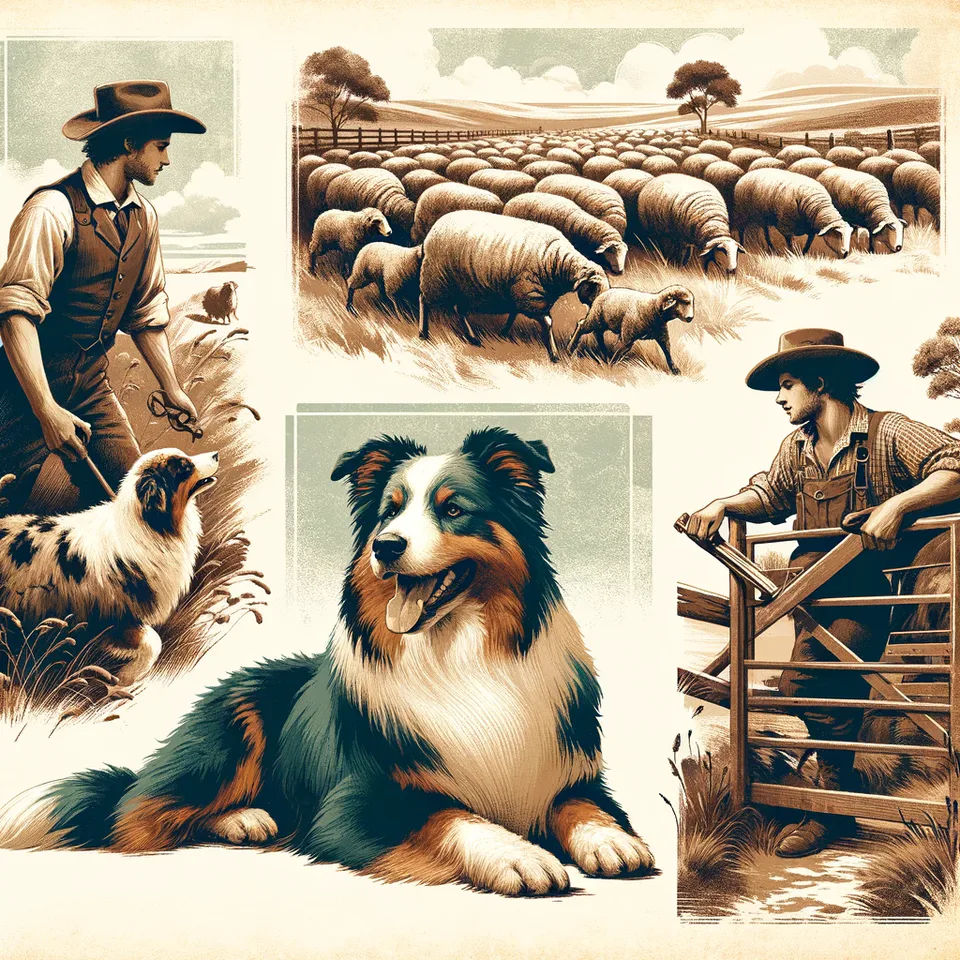
The Australian Shepherd’s journey began in the late 19th and early 20th centuries in the American West. The breed was developed from a mix of dogs that came to America with Basque shepherds, who migrated from Australia in the 1800s. It’s this connection that likely led to the breed’s name, associating them with their shepherd companions’ previous residence.
Role as Herding Dogs
Originally bred for herding livestock, particularly sheep, Australian Shepherds quickly gained a reputation for their exceptional herding abilities. They were not only adept at controlling and moving sheep but also capable of handling other types of livestock, such as cattle. Their agility, intelligence, and strong work ethic made them invaluable assets to ranchers and farmers in the American West.
Versatility and Intelligence
The versatility of the Australian Shepherd became one of its most lauded attributes. These dogs demonstrated remarkable skills beyond herding, including guarding, retrieving, and rescuing. Their intelligence and eagerness to please made them highly trainable for various tasks and roles.
Popularity and Recognition
The breed’s popularity surged post-World War II, coinciding with a rise in Western riding’s popularity. They were often featured in rodeos, horse shows, and films, further cementing their status as a symbol of the American cowboy culture. The Australian Shepherd was recognised by the American Kennel Club (AKC) in 1993, reflecting its growing popularity in the United States and around the world.
Modern-Day Australian Shepherd
Today, while many Australian Shepherds still serve as working dogs on ranches and farms, they have also become popular as family pets and companions. Their adaptability and trainability have made them well-suited for various roles, including service and therapy work, as well as competitive sports like agility and obedience trials.
The Australian Shepherd’s rich history as a versatile herder and its evolution into a beloved companion highlight the breed’s unique blend of intelligence, agility, and loyalty. This history not only informs the breed’s physical and behavioural traits but also endears it to a wide range of dog enthusiasts worldwide.
Physical Characteristics of the Australian Shepherd
Stature and Build
Australian Shepherds are medium-sized dogs known for their strong, athletic build, which is ideal for their original herding duties. These dogs typically weigh between 40 to 65 pounds (18 to 29 kg), showcasing a muscular yet agile form that enables them to perform demanding physical tasks efficiently.
Coat and Colour
One of the Australian Shepherd’s most distinctive features is its beautiful and unique coat. The coat is moderately long and can be straight or slightly wavy, offering good protection against various weather conditions. Aussies display a stunning range of colours, including blue merle, red merle, solid black, and solid red. These primary colors are often accompanied by white and/or tan markings on the face, chest, legs, and under the tail, making each Aussie unique in appearance.
Size and Proportions
In terms of height, male Australian Shepherds typically stand between 20 to 23 inches (51 to 58 cm) at the withers, while females are slightly smaller, ranging from 18 to 21 inches (46 to 53 cm). This size contributes to their versatility as both working dogs and companions, allowing them to be agile and fast while still robust enough for various tasks.
Facial Features and Expression
The Aussie’s head is proportionate to its body, with a strong, slightly domed skull and a well-defined stop. Their eyes, often one of their most expressive features, can be blue, brown, amber, or any variation thereof, including heterochromia (two different coloured eyes). Their ears are medium-sized, set high on the head, triangular in shape, and break forward or to the side, contributing to their alert and intelligent expression.
Tail and Grooming
The tail of the Australian Shepherd is another distinctive feature; it is naturally bobbed or docked, which enhances their energetic appearance. Their double coat, which is weather-resistant, varies in quantity depending on the climate. The outer coat is moderate in length and coarseness, necessitating regular grooming to maintain its condition.

Temperament
Energy and Enthusiasm
Australian Shepherds are renowned for their boundless energy and enthusiasm. This breed is always ready for action, whether it’s a day out in the field, a training session, or playtime. Their high energy levels make them ideal for active families or individuals who enjoy an outdoorsy lifestyle. The Aussie’s zest for life and eagerness to engage in activities makes them delightful companions for hiking, running, or any adventure.
Intelligence and Trainability
Aussies are highly intelligent dogs, known for their quick learning and problem-solving skills. This intelligence, combined with their eagerness to please, makes them excel in obedience and training. They respond well to positive reinforcement and are known to pick up new commands and tricks quickly. Their aptitude for learning and adaptability also make them a favorite in various canine sports such as agility, flyball, and obedience competitions.
Loyalty and Affection
Australian Shepherds are not only active and smart but also incredibly loyal and affectionate with their families. They form strong bonds with their owners and are known to be protective of their household. This loyalty makes them excellent companions, always seeking to be involved in family activities. Their affectionate nature also means they are great with children, often becoming a child’s devoted friend and protector.
Herding Instinct and Socialisation
Due to their herding heritage, Australian Shepherds have a strong instinct to herd, which can sometimes manifest in them trying to herd other pets or even children. Early socialisation and training can help manage this instinct. It’s important for Aussie owners to understand and respect this trait, providing appropriate outlets for their herding drive and ensuring they are well-socialised from a young age.
Need for Mental Stimulation
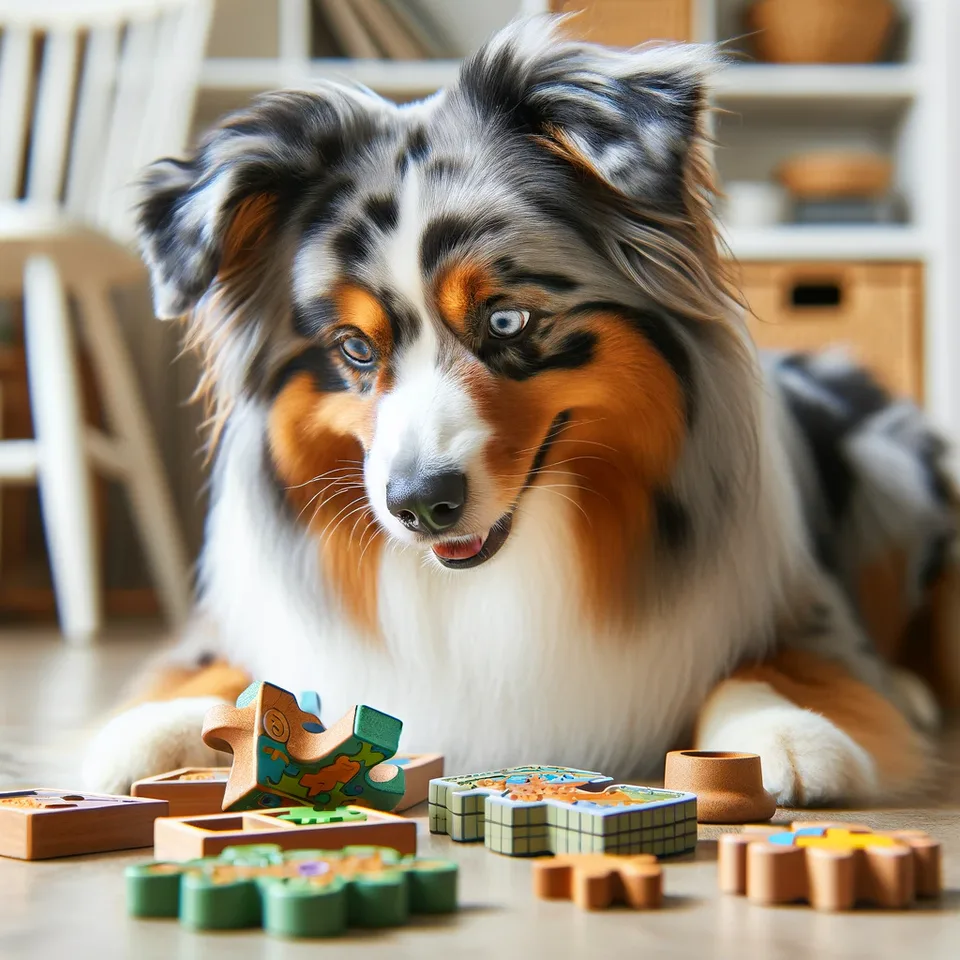
Given their high intelligence, Aussies require not only physical exercise but also mental stimulation. They thrive on tasks that challenge their minds, such as advanced training, puzzle toys, or interactive games. Providing adequate mental stimulation is essential to prevent boredom, which can lead to destructive behaviours.
Health and Care of the Australian Shepherd
General Health Considerations
Australian Shepherds, like many active dog breeds, come with specific health considerations that potential owners should be aware of. While generally healthy, they can be prone to certain genetic conditions that are important to monitor.
Common Health Issues
One of the more common health concerns in Australian Shepherds is hip dysplasia, a genetic condition where the thighbone doesn’t fit snugly into the hip joint. This can lead to arthritis or mobility issues later in life. Eye conditions, such as cataracts and collie eye anomaly, are also prevalent in the breed. Regular veterinary check-ups can help in early diagnosis and management of these conditions.
Drug Sensitivity
Australian Shepherds, particularly those with the merle coat pattern, can have a sensitivity to certain drugs due to a mutation in the MDR1 gene. This gene affects how drugs are processed in the body, making them more susceptible to toxicity from certain medications. It’s crucial for Aussie owners to discuss this with their veterinarian and ensure that any medication prescribed is safe for their dog.
Diet and Exercise
A balanced diet and regular exercise regimen are key to maintaining the health of an Australian Shepherd.
Nutrition
A well-balanced diet tailored to their age, size, and activity level is essential for Australian Shepherds. High-quality dog food that meets their nutritional needs helps maintain their energy levels and overall health. Avoiding overfeeding is important, as this breed can be prone to obesity, especially if they don’t receive adequate exercise.
Exercise Needs
Given their high energy levels and working dog heritage, Australian Shepherds require regular, vigorous exercise. Activities like running, hiking, agility training, or even playing fetch in the yard can help keep them physically fit and mentally stimulated. Lack of sufficient exercise can lead to behavioral issues due to pent-up energy.
Grooming and Coat Care
The medium-length coat of the Australian Shepherd requires regular maintenance to stay in good condition.
Coat Grooming
Their coat, while beautiful, does require regular grooming to maintain its condition and manage shedding. Weekly brushing is recommended to remove loose hair and prevent matting. During shedding seasons, more frequent grooming may be necessary.
Other Grooming Needs
In addition to coat care, routine care like nail trimming, ear cleaning, and dental care are important for their overall health. Regular brushing of teeth or use of dental chews can help prevent dental issues, which are common in many breeds.

Training and Socialisation of the Australian Shepherd
Training Essentials
Australian Shepherds are known for their high trainability, which is rooted in their intelligence and strong desire to please their owners. This makes them excellent candidates for various forms of training.
Foundation of Training
The foundation of training an Australian Shepherd should start early. Puppies benefit greatly from basic obedience training, which sets the stage for more advanced training as they grow. Consistent, positive reinforcement techniques work best with this breed, as they are sensitive to their owner’s cues and eager to learn.
Advanced Training and Dog Sports
Given their intelligence and energy, Australian Shepherds excel in advanced training and dog sports. They thrive in activities like agility, flyball, and obedience competitions. These activities not only provide them with physical exercise but also mental stimulation, which is crucial for this breed. Engaging in such sports can strengthen the bond between the dog and its owner and provide an outlet for the Aussie’s natural abilities.
Socialisation
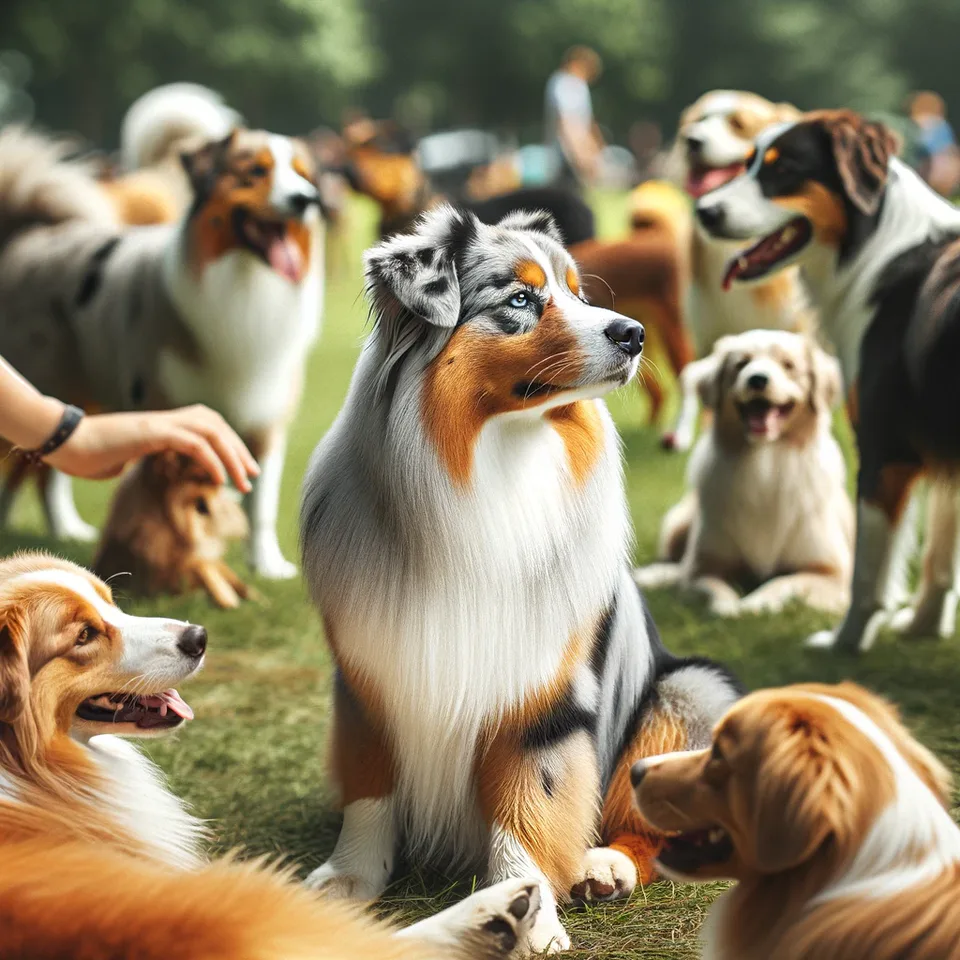
Socialisation is another critical aspect of raising a well-adjusted Australian Shepherd. Given their herding instincts and high energy levels, early socialisation is key to ensuring they become well-rounded adults.
Importance of Early Socialisation
Introducing an Australian Shepherd puppy to various people, pets, environments, and situations from a young age helps them become more adaptable and comfortable in different settings. This early exposure helps mitigate any potential anxiety or overprotectiveness, traits that can surface in under-socialised dogs.
Managing Herding Instincts
Part of socialisation involves managing their strong herding instincts. This can be done by providing them with controlled opportunities to interact with other animals and teaching them appropriate ways to channel their herding behaviour. Proper socialisation ensures that these instincts do not lead to undesirable behaviors like chasing or nipping.
Continuous Socialisation
Socialisation is not a one-time task but a continuous part of an Australian Shepherd’s life. Regular interaction with other dogs and people, exposure to new environments, and various experiences help maintain their social skills and adaptability throughout their lives.
Conclusion
The Australian Shepherd is a dynamic and versatile breed, perfect for active families and individuals who can match their energy and intelligence. With proper care, training, and exercise, Aussies make exceptional companions known for their loyalty and spirited personality.
Discover more about the Australian Shepherd and other energetic breeds in our comprehensive Working Breeds Guide.