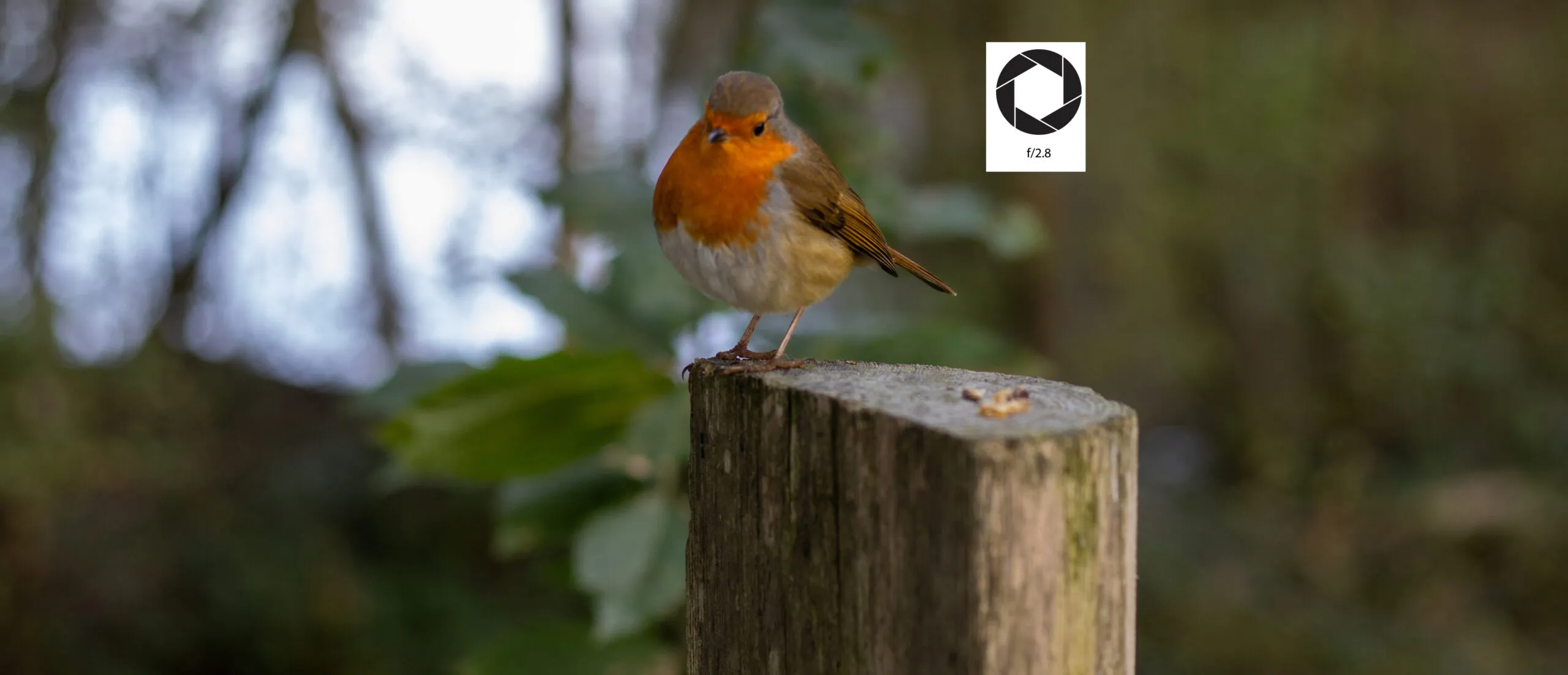
Aperture, shutter speed and ISO are usually taught separately. Real photographs do not keep them apart: changing one immediately changes what the others must do.
Begin with what must remain true
A running dog makes movement the first problem. A plate of food beside a window may make texture and depth more important. A still landscape at dusk can wait longer than a living subject.
Shutter speed decides what happens to movement
A short exposure can hold a paw, splash or expression. A longer exposure records change: water softens, lights draw lines and camera movement blurs the frame.
Aperture changes light and depth
A wider aperture lets in more light and can isolate an eye from a busy background. It can also leave the second eye soft. A smaller aperture holds more depth but requires a slower shutter, higher ISO or brighter scene.
ISO is permission to accept more noise
Raising ISO does not create light. It produces a brighter result from less captured light, usually with more noise and less file flexibility. A sharp, noisy real moment is often better than a clean blur.
The best exposure is the combination of compromises that protects what matters in the photograph.
Three practical starting points
Moving subject
Protect shutter speed, allow enough depth for focus, then let ISO rise.
Still subject, handheld
Choose depth, keep a realistic handholding speed and raise ISO before softness.
Still subject, supported
Use a stable surface and let the shutter stay open longer.
Try this
Photograph one subject three times: first protecting movement, then depth, then low noise. Compare the pictures rather than the numbers.