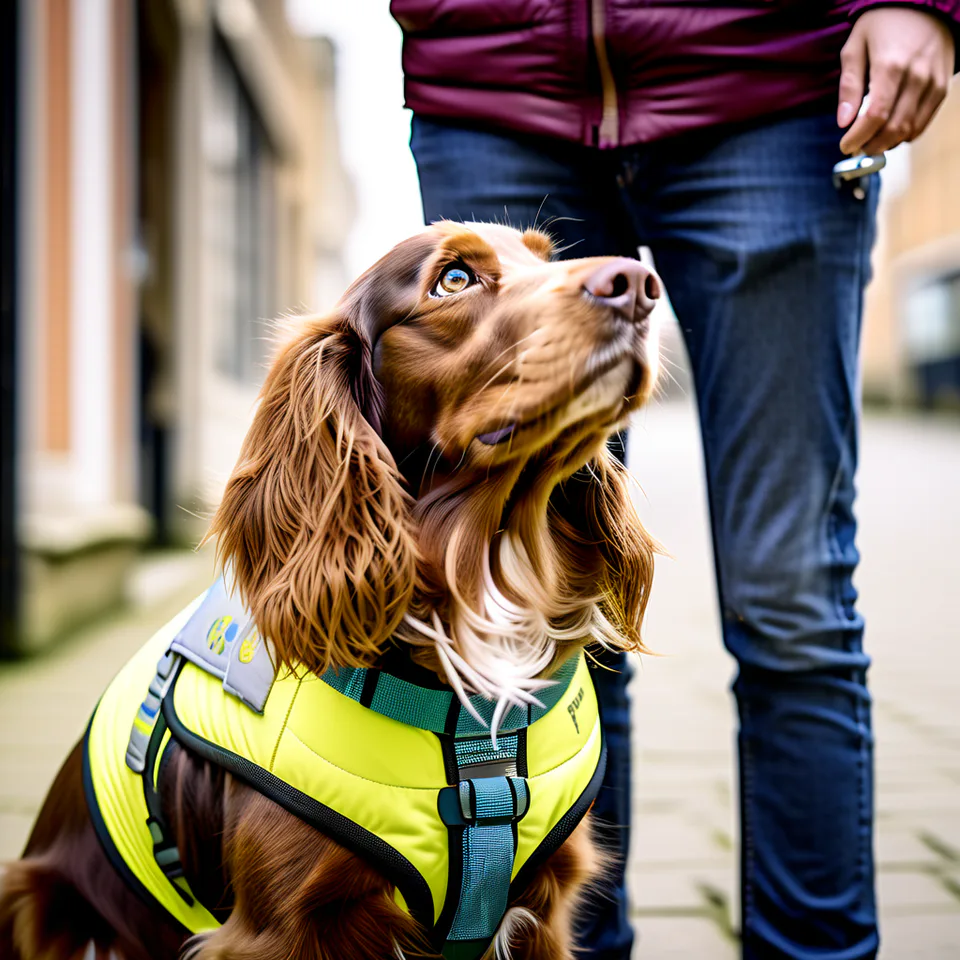
Dexter wagged his tail as I pulled a tray of muffins from the oven. It was another recipe testing day, and I knew how those puppy-dog eyes worked! It got me thinking about all those hardworking helpers with four paws: assistance dogs. These aren’t just our cuddly pets – they’re heroes in disguise! So, grab a biscuit (for your furry friend, of course), settle in, and let’s explore the amazing world of assistance dogs.
More Than Just A Good Doggo
Think of all the things we do each day without a second thought, like opening doors, crossing the street, or fetching dropped items (well, unless those items are tasty snacks – then it takes serious willpower!). But for some folks, these everyday tasks can be a hurdle. That’s where assistance dogs jump in – literally, sometimes! – to change the game. These specially trained pups aren’t just furry friends; they give their humans greater independence and a helping paw. Whether guiding a visually impaired person with expert navigation, reminding someone to take their medicine right on time, or offering a comforting cuddle during a tough moment, these awesome helpers are like doggy superheroes with the softest fur imaginable.
Types of Assistance Dogs
Guide Dogs: Canine Navigators Extraordinaire!
These pups weren’t just named “guide dogs” for nothing – they’re the ultimate travel buddies! Picture your dog mixed with a GPS, a high-tech radar system, and a tiny furry ninja, all for one incredible purpose. For folks with vision loss, these dogs are a lifeline to the world. A guide dog sporting their special harness isn’t just walking beside their human, they’re analyzing every step of the way – watching for cars, navigating curbs, dodging unexpected obstacles faster than you can say “squirrel!” With a guide dog by your side, busy streets feel less scary, crowded stores more manageable, and every adventure opens up with a trusted companion leading the way. These pooches definitely deserve a round of a-paws…and extra belly rubs for a job well done!circle
Hearing Dogs: Your Own Set of Personal Alert Ears
Sometimes, the world can feel a little too quiet. Imagine if someone calling your name was just a muffled whisper, or the smoke alarm a distant siren you might miss entirely. It’s where these brilliant pups step in! Think of them as your own cuddly alarm clocks, personal doorbell announcers, and always-ready lifelines. A quick nudge with a nose, a vibrating collar to signal the oven timer, a gentle paw tap when someone needs your attention… those actions don’t just mean an alarm is going off, they mean connection to the world. Hearing dogs offer folks with hearing loss a constant sense of security and independence, transforming every beep, honk, and call into peace of mind, wrapped in the softest canine fur imaginable.
Mobility Assistance Dogs: Four-Legged Helpers & Fetch Experts
These pups might not fly, but they’re superheroes in their own right! Strong, steady, and always ready to lend a paw, they transform daily life for folks with mobility challenges. Picture this: dropped keys just out of reach, a door just a bit too heavy, or a moment where a little extra balance would make all the difference. This is where they shine! From fetch experts extraordinaire (because grabbing your slipper is as important as retrieving a superhero’s shield!) to door-opening pros and gentle helpers for those wobbly moments, these dogs make independence feel possible again. So put the capes away, because when it comes to everyday heroics, mobility assistance dogs are ready to answer the call – tail wagging, of course!
Medical Alert Dogs: Super-Sniffer Superheroes
We all know dogs have incredible noses, but medical alert dogs? They’re like bionic sniffers with a life-changing mission! These pups can detect the tiniest changes in our bodies – things we can’t even smell or feel ourselves. Imagine having your very own furry doctor (with extra cuddles!) constantly on the lookout for dips in blood sugar, the subtle chemical hints of an oncoming seizure, or other hidden health signals. With a gentle boop or a well-timed paw swipe, these dogs sound the alarm before things get serious. They’re not just companions, they’re a constant line of defense and reassurance, providing independence and invaluable time to respond. Talk about true heroes – and they might even try to “treat” you with a few sloppy kisses for good measure!circle
Mental Health Assistance Dogs: Comforting Companions & Anxiety Busters
Sometimes the scariest battles happen inside our own heads. These amazing pups are trained to sense those invisible storms of anxiety, panic, and even flashbacks. With a comforting cuddle, a grounding paw on your leg, or by gently interrupting negative thought patterns, they act as an anchor in a crisis. Picture them as fluffy superheroes with fur soft enough to melt away worries and the most adorable “I’m here for you” eyes imaginable. They offer a sense of calm during tough times, a quiet reminder that help exists, and a wagging tail of unconditional canine love when it’s needed most.circle
Super-Pup Training – More Than Just Playing Fetch
Don’t let the floppy ears and endless enthusiasm fool you – becoming an assistance dog is like earning a doggy Ph.D. in helping humans! It takes way more than knowing “sit” and “stay” (although those are important foundations!). These remarkable pooches learn a whole language of specific commands – think guiding someone around obstacles, retrieving specific items, and alerting to medical changes. And it’s not just learning tricks, it’s about having rock-solid obedience and focus even in bustling crowds or stressful situations.
This is where awesome charities specialising in assistance dog training step in. These organisations are like bootcamps for our furry heroes (but probably with a lot more snuggles!). They carefully select pups with the right temperament and spend countless hours honing their skills. From navigating busy streets to offering calming support during a crisis, these training programs ensure each dog is not just a companion, but a lifesaver in disguise.
Training Your Own Sidekick
While not every pup is cut out to be a full-fledged assistance dog, that doesn’t mean you can’t teach your loyal friend some awesome skills! With patience, consistency, and lots of yummy rewards (for your pup, not you!), you can turn your doggo into the ultimate sidekick. Think of those “just for fun” tricks that actually come in handy – fetching your slippers, opening a closed door, or even tidying scattered toys.
Training isn’t just about the ‘tricks’ themselves. It’s about building a stronger bond with your furry best friend, teaching them to focus, and offering plenty of mental stimulation. And let’s be honest, seeing your pup proudly nail a new skill is about as rewarding as finding a forgotten muffin crumb! If you’re keen to DIY some training, remember to keep it fun, take it slow, and don’t be afraid to reach out to local trainers or online resources for tips. Who knows, your canine companion might surprise you with their hidden talents!
Next time you see a working assistance dog in their special jacket, remember they’re much more than a well-trained pup. They’re partners, protectors, and life-changers! Now, if you’ll excuse me, Dexter’s getting impatient and those muffin crumbs won’t clean themselves up… maybe just one more won’t hurt! 😉