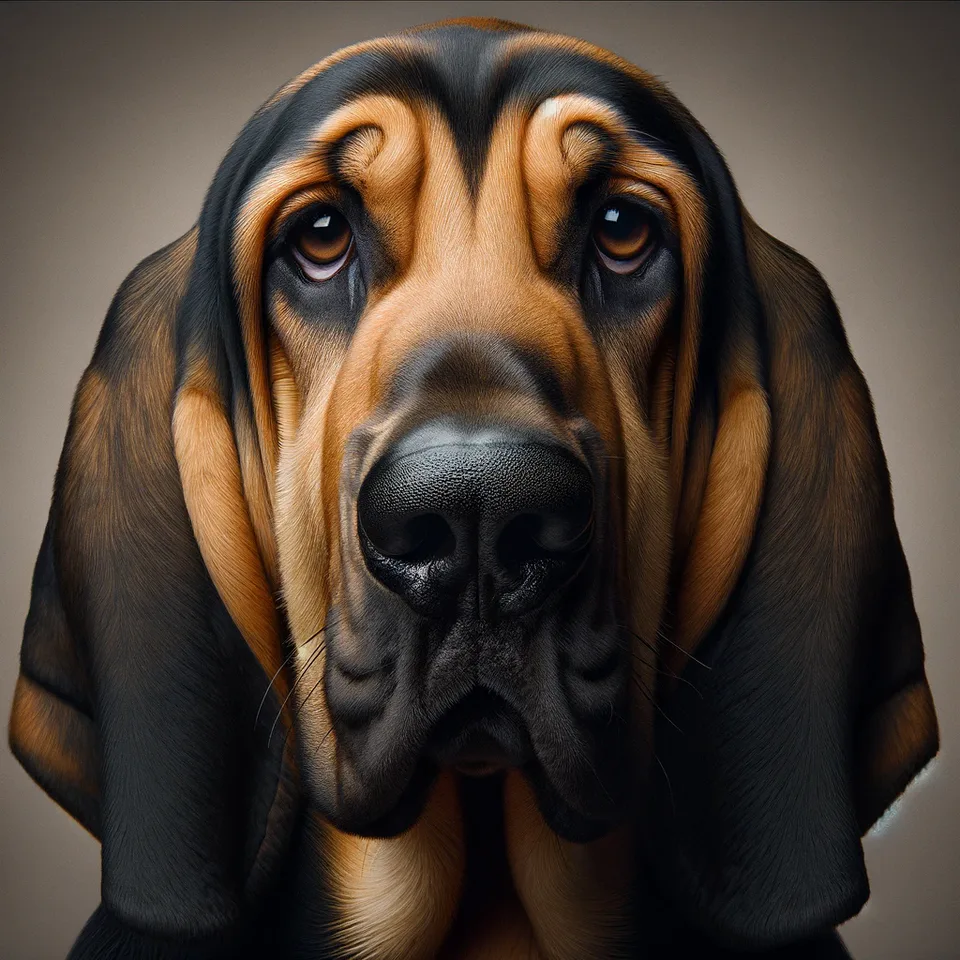
The Bloodhound, a breed synonymous with exceptional scent-tracking abilities, has a storied history and a gentle disposition that makes it a beloved companion. Known for their unparalleled sense of smell, these noble dogs play a critical role in search and rescue operations, making them a vital part of our working dog community. In this post, we’ll delve into the world of Bloodhounds, exploring their history, characteristics, and the reasons behind their fame in the canine world.
History of the Bloodhound
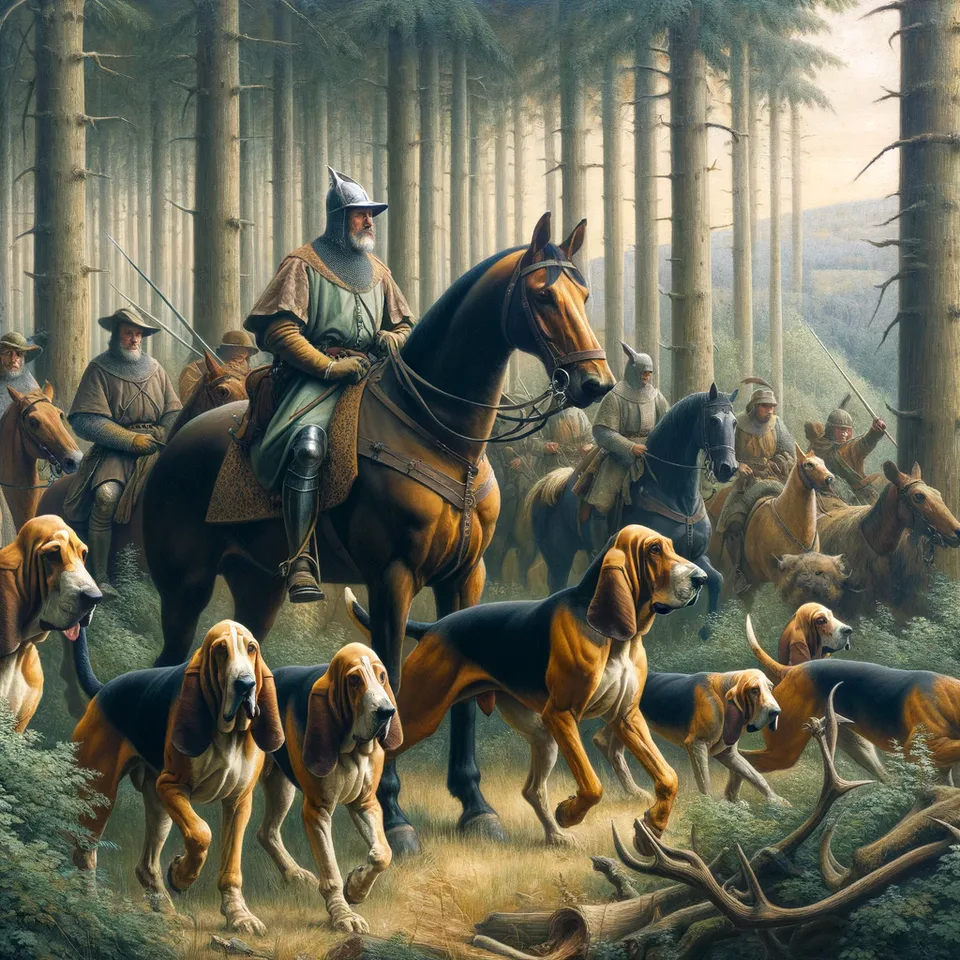
The Bloodhound, with its dignified presence and unparalleled tracking skills, has a rich history that dates back to medieval Europe. This period was marked by a burgeoning interest in hunting and the development of various dog breeds to aid in this pursuit.
Early Origins and Development
The earliest ancestors of the Bloodhound were likely brought to Europe by the Romans or developed from hounds that existed in Gaul. Over centuries, these dogs evolved and were refined into the Bloodhound we recognise today. Monasteries, particularly in Belgium and England, played a crucial role in this development. Monks in these monasteries were keen breeders and are credited with refining the breed for specific traits, especially their scenting ability.
The Name ‘Bloodhound’
The term ‘Bloodhound’ is believed to have a couple of origins. The most accepted theory is that it refers to the dog’s status as a “blooded” or purebred hound, a term indicating its aristocratic lineage and breeding. There’s also a belief that the name could have been derived from “hound of blood,” reflecting its use in tracking wounded game.
Role in Medieval Hunts
Initially, Bloodhounds were used in medieval Europe for tracking deer and wild boar. Their keen sense of smell made them ideal for following the trail of these animals. Nobles and royalty often used Bloodhounds in their hunting parties, both for their efficiency and the prestige associated with the breed.
Transition to Man-Trailing
As the centuries progressed, the Bloodhound’s role evolved from hunting game to tracking people. This transition marked a significant shift in the utility of the breed. They were used to follow the scent trails of lost persons or criminals, a practice that became increasingly common by the 16th century. This change showcased the versatility and adaptability of the breed, cementing its reputation as an exceptional tracker.
Bloodhounds in Literature and History
Throughout history, Bloodhounds have been referenced in literature and historical accounts, often highlighting their tracking abilities. Their legendary status was further cemented by tales of their use in tracking famous outlaws and in notable historical events. This not only illustrates the breed’s longstanding importance but also its integration into the cultural fabric of various societies.
Conclusion
The history of the Bloodhound is a fascinating journey through time, from the dense forests of medieval Europe to their modern role in search and rescue operations. This breed’s enduring legacy is a testament to its unique abilities and the careful breeding that has preserved its characteristics for centuries.
Characteristics and Temperament
Bloodhounds are distinguished by their loose, wrinkled skin and long, drooping ears. They are large dogs, with males typically weighing between 90-110 pounds (41-50 kg) and females between 80-100 pounds (36-45 kg). Their coat, short but dense, comes in colours like black and tan, liver and tan, or red.
Temperament-wise, Bloodhounds are known for their kind and patient nature. They are exceptionally good with children and other animals, making them ideal family pets. Despite their size, they are friendly and affectionate, often described as gentle giants.
The Bloodhound’s Remarkable Sense of Smell
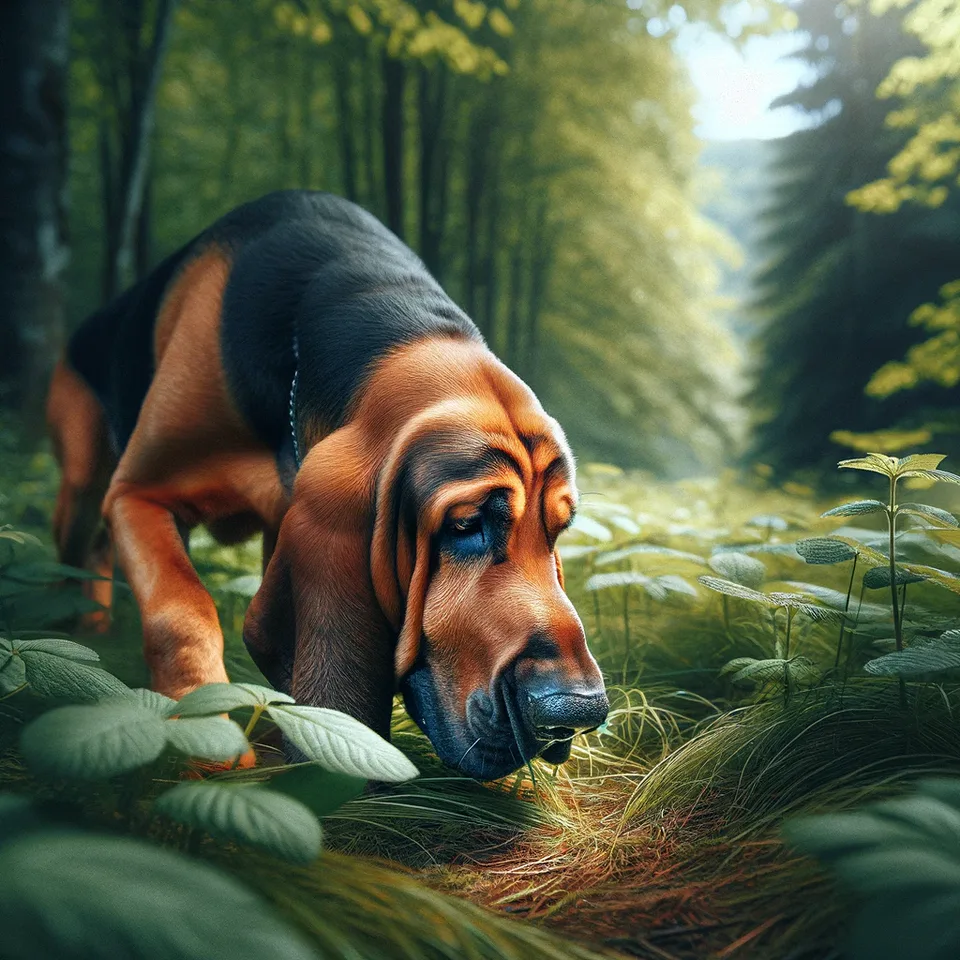
What truly sets Bloodhounds apart is their extraordinary olfactory talent. They can follow a scent trail for days over vast distances, a skill that has made them invaluable in search and rescue operations and law enforcement. Their ability to distinguish individual human scents even in a crowd is unparalleled.
Bloodhounds as Working Dogs
Bloodhounds’ contribution as working dogs is immeasurable. They are often involved in finding missing persons and tracking criminals, a testament to their enduring importance in public service. To learn more about the role of working dogs, check out our detailed post here.
Caring for a Bloodhound
Owning a Bloodhound is a rewarding experience, but it comes with a set of responsibilities that are crucial for their well-being. These gentle giants thrive with proper care, attention, and a structured routine.
Exercise and Mental Stimulation
Regular exercise is vital for a Bloodhound’s physical health and mental well-being. Ideally, they should have a daily walk or play session that lasts at least an hour. This breed has a lot of energy and stamina, so activities like hiking, tracking games, or even participating in scent work competitions can be highly beneficial and fulfilling for them. Without adequate exercise, Bloodhounds can become bored, which may lead to destructive behaviour.
Grooming and Skin Care
Despite their short coat, Bloodhounds require regular grooming to maintain their skin health. Brushing them once or twice a week helps to remove loose hair and distribute skin oils, keeping their coat healthy and shiny. Given their loose skin and wrinkles, it’s important to check these areas regularly for signs of irritation or infection.
Ear Care
One of the most distinctive features of Bloodhounds is their long, droopy ears. These ears require special attention and regular cleaning to prevent infections. It’s advisable to check their ears weekly and clean them as needed with a vet-recommended solution. Keeping their ears dry and clean is crucial, especially after swimming or bathing.
Diet and Nutrition
Bloodhounds have hearty appetites, and it’s essential to monitor their food intake to prevent obesity. A balanced diet that’s appropriate for their age, size, and activity level is vital. Feeding them high-quality dog food in controlled portions, and avoiding overfeeding with treats, will help maintain their optimal weight. Always have fresh water available, and consider feeding them two smaller meals a day instead of one large one to aid digestion.
Training and Socialisation
Bloodhounds are intelligent but can be stubborn, so consistent, positive reinforcement training is important from a young age. Socialisation is also key to developing a well-rounded dog. Exposing them to different people, animals, and environments early on will help them become more adaptable and less anxious in new situations.
Health Check-Ups
Regular veterinary check-ups are crucial to maintaining a Bloodhound’s health. They are prone to certain health issues like hip dysplasia, ear infections, and bloat. Early detection and management of these conditions can significantly improve their quality of life.
Conclusion
Caring for a Bloodhound is a commitment that brings immense joy. These loyal companions, with their unique characteristics and gentle demeanor, make for a wonderful addition to any family. With the right care, exercise, and nutrition, they can lead a healthy, happy life by your side.
Bloodhound in Popular Culture
Bloodhounds, with their distinctive appearance and remarkable scenting abilities, have long held a special place in popular culture. Often portrayed as the ultimate detective dogs, they have captured the imagination of audiences in various forms of media.
Literature and Early Media
The image of the Bloodhound as a detective dog has roots in literature dating back to the 19th century. One of the earliest and most notable examples is in Sir Arthur Conan Doyle’s Sherlock Holmes stories, where a Bloodhound named Toby helps the famous detective on several cases. This portrayal helped cement the breed’s association with detective work in the public consciousness.
Movies and Television
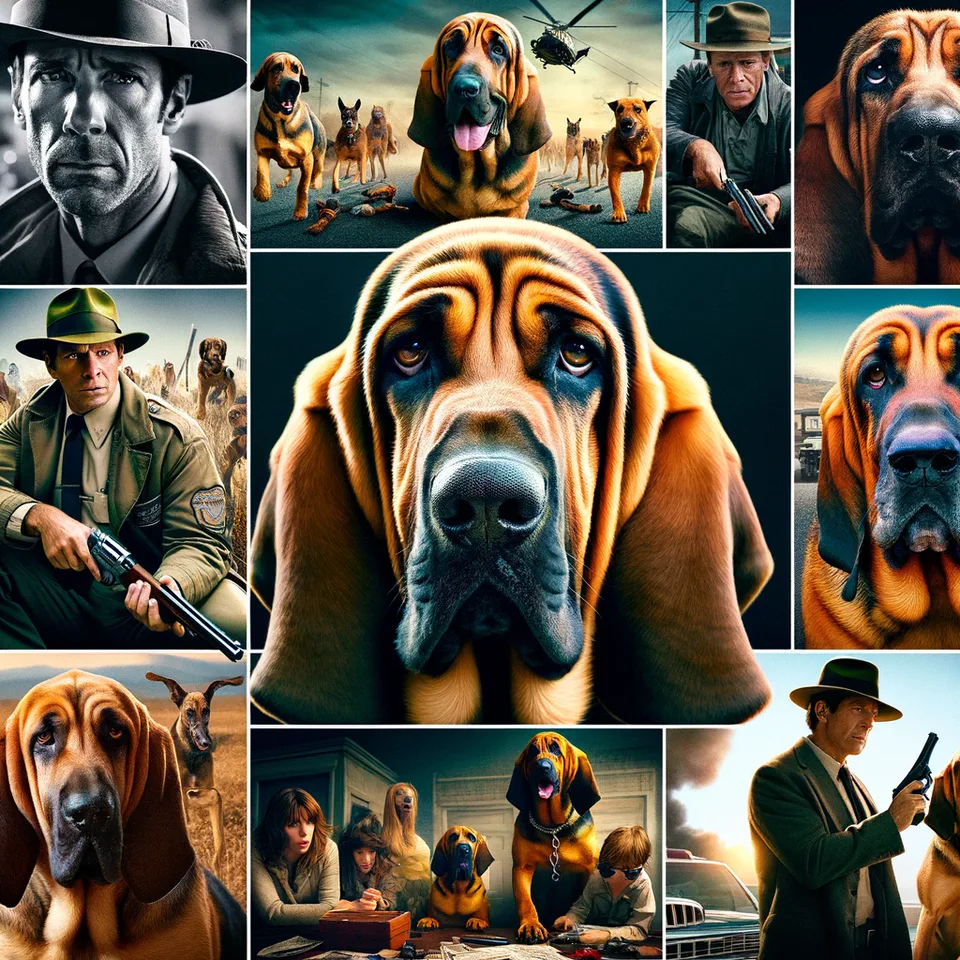
In movies and television, Bloodhounds have frequently been cast in roles that highlight their tracking abilities. They’ve been featured in crime dramas, comedies, and even horror films, often as key characters aiding in solving mysteries or locating missing people. Their soulful expressions and amiable nature also make them popular choices for family films.
Animation and Cartoons
In the realm of animation, Bloodhounds have been beloved characters in numerous cartoons and children’s shows. They are often depicted with exaggerated features like their long ears and droopy faces, which adds to their charm and appeal. These animated representations often showcase the Bloodhound’s tracking skills in a more light-hearted and humorous context.
Advertising and Mascots
Bloodhounds have also been used effectively in advertising, playing on their image as reliable and trustworthy trackers. Some companies have used the breed as mascots or in logos, capitalising on their distinctive look and reputation for dependability.
Cultural Impact
The cultural impact of Bloodhounds in popular media cannot be overstated. Their depictions have played a significant role in shaping public perceptions of the breed. They are often seen as noble, loyal, and intelligent, with a bit of a whimsical side, reflecting their real-life temperament and capabilities.
Conclusion
The Bloodhound’s journey through popular culture has been as fascinating as the breed itself. From detective novels to the silver screen, these dogs have left an indelible mark on the hearts and minds of people worldwide, further endearing them to dog lovers and the general public.
Conclusion
The Bloodhound is indeed much more than a tracker; it’s a multifaceted breed that embodies loyalty, gentleness, and an unyielding work ethic. These dogs possess a unique blend of characteristics that make them not just fascinating but also deeply endearing and worthy of our admiration and respect.
A Loyal Companion
Bloodhounds are known for their unwavering loyalty. They form strong bonds with their families, showing a level of devotion that is heartwarming. This loyalty extends beyond the home, as they are equally dedicated to their roles in various working capacities. Whether as a family pet or a working dog, a Bloodhound’s loyalty is a constant.
Gentle Nature
Despite their large size, Bloodhounds are remarkably gentle, especially with children. They are known for their patient and kind demeanour, making them excellent companions for families. This gentle nature also makes them great dogs for therapy and assistance roles, where they can provide comfort and support to those in need.
Diligent Worker
The Bloodhound’s reputation as a diligent worker is well-earned. Their exceptional scent-tracking ability is not just a skill but a passion. They approach their tracking tasks with focus and determination, whether it’s in a professional search and rescue operation or a playful tracking game in the backyard.
Cultural and Historical Significance
Beyond their roles in homes and fields, Bloodhounds have a significant place in culture and history. From their depictions in literature and film to their historical use in tracking, they have woven themselves into the fabric of our society. This cultural footprint adds another layer of depth to their already rich persona.
Admiration and Respect
For all these reasons and more, Bloodhounds deserve our admiration and respect. They are not just dogs with a keen nose; they are companions with a big heart, a gentle touch, and a dedicated spirit. Their presence enriches the lives of those who know them, be it in person or through the stories and images that capture their essence.
In summary, the Bloodhound is a breed that captures the heart with its blend of strength, sensitivity, and unwavering commitment. Whether they’re lounging at home, participating in a family adventure, or diligently working in their professional capacity, Bloodhounds continue to be an integral and beloved part of our lives.