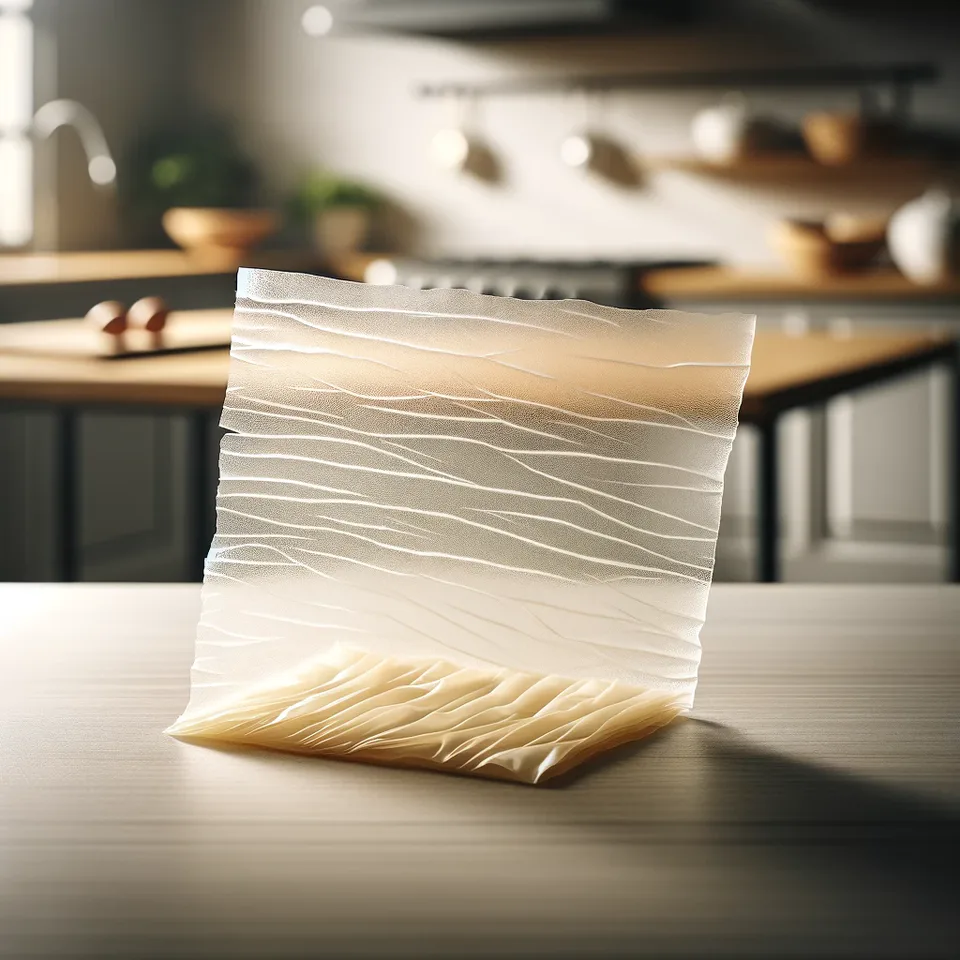
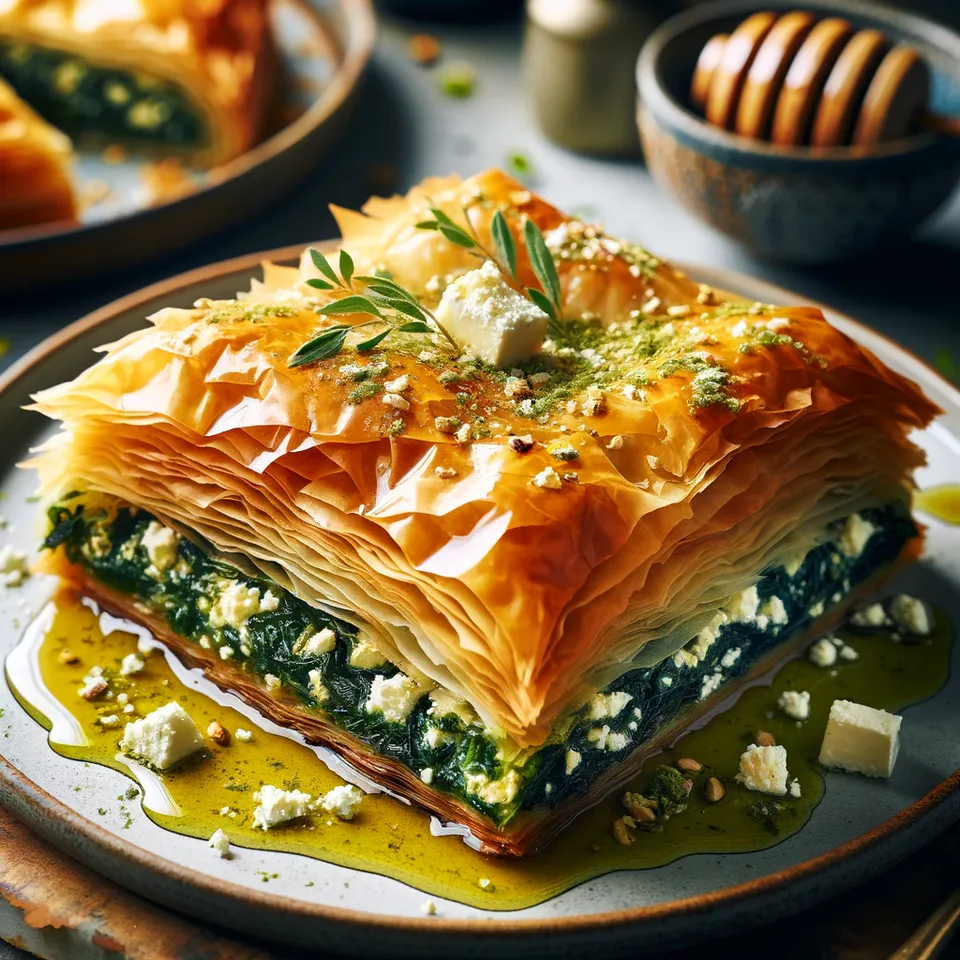
Thin, nearly translucent pastry sheets made from flour, water and olive oil for crisp layered savoury or sweet bakes.
FoodDogsLifeCCC
By Gary Burfield-Wallis·
First published
·
Updated
At a glance
Recipe summary
Prep
35 min
Rest
55 min
Total
1 hr 30 min
Serves
10–12 sheets
Skill
Advanced
Homemade filo is a technique project rather than a quick pastry. The dough itself is simple; the challenge is rolling each sheet extremely thin without letting it dry.
What you need
Ingredients
MetricUSIngredient
280 g2 cups plain flour Plus extra for dusting.
2.5 g½ tsp fine salt
160 ml⅔ cup warm water
60 ml¼ cup olive oil Plus extra for coating the sheets.
How to make it
Method
Mix the 280 g flour and salt in a bowl. Gradually add the warm water and 60 ml olive oil to make a soft dough.
Knead for 8 to 10 minutes until smooth and elastic. Cover with a damp cloth and rest for 30 minutes.
Divide the dough into 10 to 12 equal balls and keep them covered while working.
On a lightly floured surface, roll one ball as thinly as possible, turning it frequently. Continue stretching carefully until nearly translucent.
Brush the sheet lightly with olive oil and place it on a clean cloth. Cover immediately so it does not dry out.
Repeat with the remaining dough. Use the sheets straight away, brushing between layers according to the chosen recipe.
For baking, most filled filo dishes cook well at about 200°C / 180°C fan / 400°F until crisp and golden; follow the filling recipe for the exact time.
Useful notes
Equipment
Large mixing bowl
Rolling pin or pasta machine
Clean kitchen cloths
Pastry brush
Dough scraper
Substitutions
Use a neutral oil instead of olive oil.
A pasta machine can help achieve evenly thin sheets.
For many dishes, shop-bought filo is a practical substitute.
Allergen notes
Contains wheat.
Storage
Use homemade filo as soon as possible. Layer the sheets between lightly oiled baking paper, wrap tightly and refrigerate for up to 2 days, or freeze for up to 1 month.
Tips
Keep every unused piece covered because filo dries very quickly.
Resting the dough makes it easier to stretch.
Roll from the centre outwards and use only enough flour to prevent sticking.