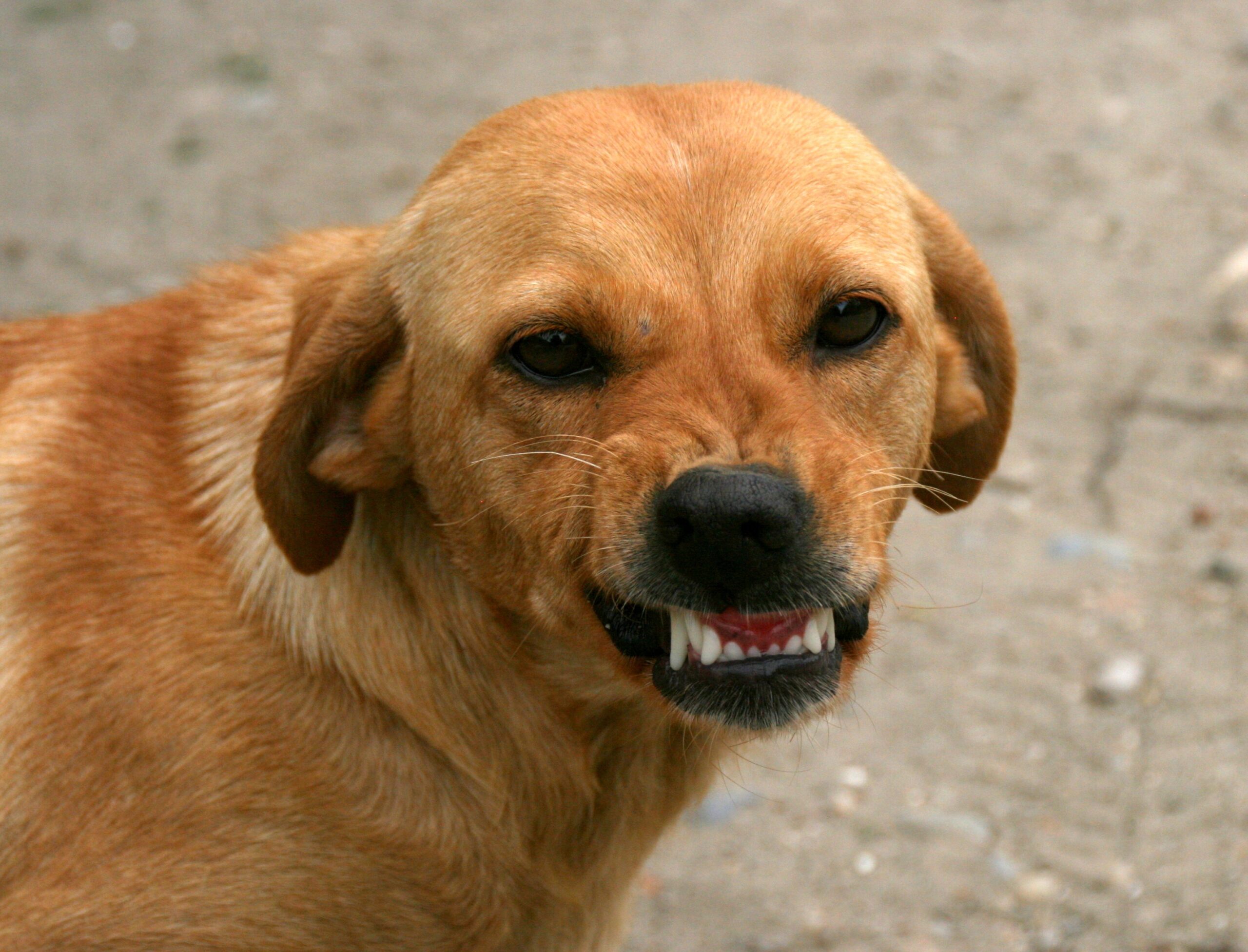
Dog encounters are a common part of our lives, whether we’re dog owners, animal lovers, or simply sharing public spaces with our furry friends. While many of these encounters are joyful and heartwarming, there are instances when situations can turn stressful, particularly when faced with an aggressive or unfamiliar dog we need strategies in preventing dog attacks
This comprehensive guide is designed to help you navigate the complex landscape of dog encounters. It not only addresses the critical issue of how to respond in the event of a dog attack but also provides essential insights into preventing such incidents. Our aim is to empower you with the knowledge and strategies necessary to ensure your safety and the safety of those around you.
In the following sections, we’ll delve into the step-by-step approach for dealing with a dog attack, offering valuable tips on remaining calm, using effective commands, and utilizing protective measures to diffuse tense situations. We’ll also discuss the importance of reporting such incidents, ensuring that responsible authorities are informed to prevent future risks.
Moreover, we’ll explore the proactive side of dog encounters, focusing on how to prevent them altogether. By understanding canine behavior, recognizing signs of aggression, and promoting responsible pet ownership and proper interaction with dogs, we can create a safer and more harmonious environment for everyone.
In a world where dogs and humans share spaces and experiences, being informed and prepared is key to ensuring that these encounters remain as positive and safe as they are intended to be. Join us on this educational journey through the realm of dog encounters, and let’s pave the way for a more secure coexistence between people and our beloved canine companions.
Dealing with a Dog Attack:
- Stay Calm: Remaining calm is essential in any dog encounter. Dogs can sense fear and aggression, and it may provoke them further.
- Avoid Eye Contact: Staring into a dog’s eyes can be perceived as a challenge. Keep your gaze averted and your body language non-threatening.
- Do Not Run: Dogs have a strong prey drive, and running can trigger them to chase you. Instead, stand still with your arms at your sides to appear less threatening.
- Speak Calmly: If the dog is known to you and you have a command that they respond to, use it calmly and firmly. However, do not yell or scream, as this can escalate the situation.
- Offer an Object: If you have an object like a bag, jacket, or backpack, hold it in front of you to create a barrier between yourself and the dog. This can deter them from approaching.
- Back Away Slowly: If the dog begins to lose interest or move away, back away slowly without turning your back on them. Retreating slowly can prevent the dog from feeling the need to chase you.
- Protect Yourself: If the dog becomes aggressive and there are no other options, use an object to protect yourself. A stick, umbrella, or any item that can help create distance between you and the dog can be used. Avoid using your bare hands, as this can lead to injury.
- Call for Help: If you can, call for help immediately. Ask anyone nearby to contact the authorities, such as animal control or the police. Alert them to the situation and provide your location.
- Seek Medical Attention: If you are bitten or injured during the attack, seek medical attention promptly. Dog bites can lead to infections and other complications that need medical treatment.
- Report the Incident: It’s important to report the dog attack to the local animal control or the police. Share as much information as possible about the dog and the incident, as this can help prevent future attacks.
Preventing Dog Attacks:
- Avoid Unfamiliar Dogs: One of the best ways to prevent dog attacks is to avoid unfamiliar dogs. Do not approach or attempt to pet dogs you do not know.
- Give Dogs Space: Always respect a dog’s personal space. Approaching a dog too closely, especially if they are eating, sleeping, or caring for puppies, can provoke them.
- Teach Children About Dogs: Educate children about how to behave around dogs. They should be taught not to approach strange dogs and to always ask for permission from a dog’s owner before petting.
- Responsible Ownership: Responsible pet ownership is vital. Dogs should be well-trained, socialized, and kept on a leash in public areas. Owners must also secure their yards and keep their dogs from roaming freely.
- Recognize Signs of Aggression: Knowing the signs of dog aggression can help you avoid a dangerous situation. Signs may include growling, bared teeth, raised hackles, and a stiff body posture.
- Be Cautious with Stray Dogs: Approach stray dogs with extreme caution. They may be frightened, sick, or injured, making them unpredictable.
- Be Mindful of Your Own Dog: If you own a dog, make sure they are well-behaved in public. Proper training and socialization can help prevent your dog from becoming aggressive towards others.
Remember that not all dogs are aggressive, and most can be safely approached and interacted with if you follow these guidelines. Education and prevention are key to reducing the risk of dog attacks and ensuring a safe coexistence between humans and dogs.